
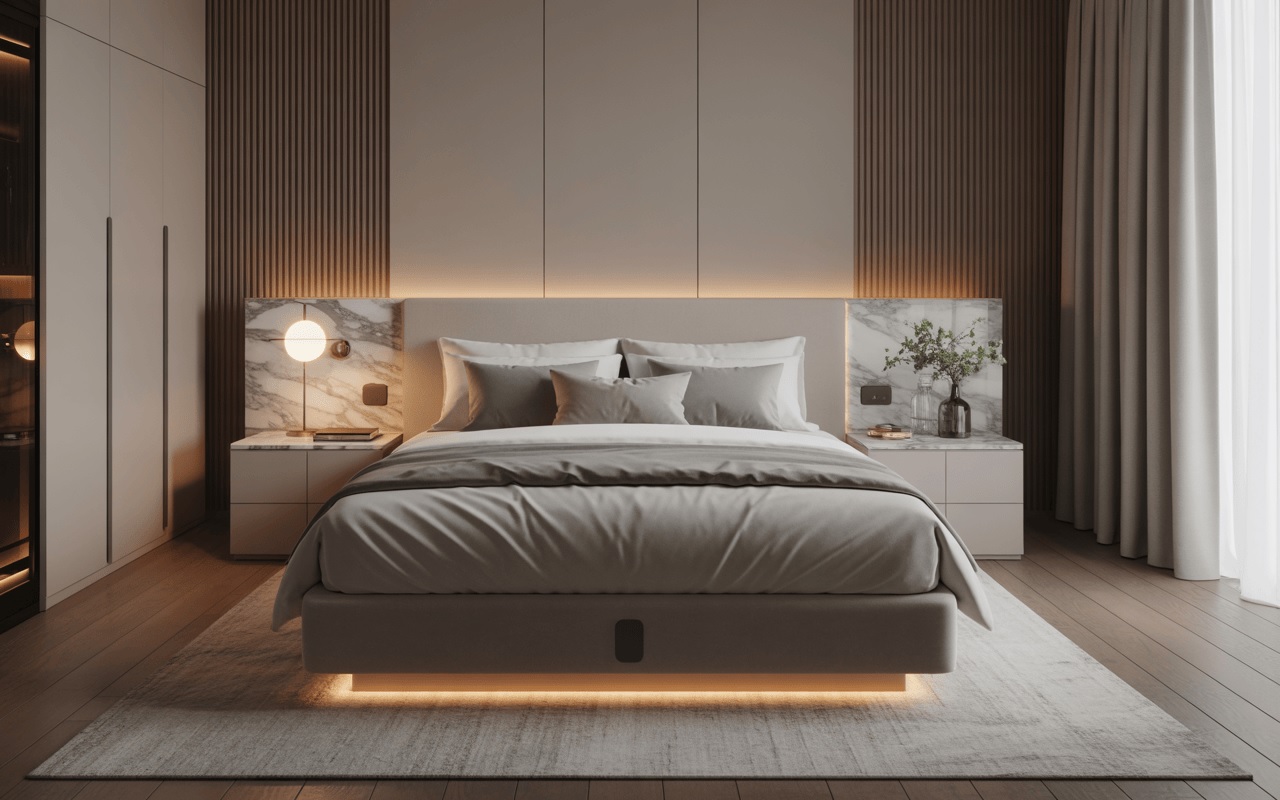
The bedroom has evolved far beyond being a simple space for rest. In today’s world, it functions as a personal sanctuary that influences health, mood, and productivity. The way we design and organize our bedrooms profoundly affects how well we sleep, how we wake up, and even how we think. Creating a well-designed bedroom requires a thoughtful combination of aesthetics, comfort, and psychology—making it one of the most personal and essential spaces in any home. The bedroom is the foundation of restorative living, where architecture, interior design, and lifestyle habits intersect to support physical and emotional balance.
The Psychology of Bedroom Design
A bedroom’s design directly influences mental and emotional well-being. Research consistently shows that the color palette, lighting, and layout of a room can significantly impact mood and sleep quality.
The Role of Color
Color psychology plays a major role in how people respond to their surroundings. Soft, muted tones such as beige, sage, and blue are associated with calmness and relaxation. These colors help slow the heart rate and reduce anxiety, making them ideal for sleep environments. On the other hand, vibrant colors like red or bright yellow stimulate energy, which may be beneficial in other rooms but are often counterproductive in a bedroom setting.
Lighting and Circadian Rhythm
Lighting is one of the most critical factors in the bedroom. Natural light helps regulate circadian rhythms, influencing when we feel awake or sleepy. Large windows or strategically placed mirrors can enhance natural light during the day, while blackout curtains can help maintain darkness at night. Artificial lighting should include layered sources—ambient, task, and accent lighting—to allow flexibility. Warm light tones (2700–3000K) are preferred for relaxation, while cool white light should be avoided before bedtime.
Spatial Psychology
The arrangement of furniture and the sense of openness in a bedroom can affect one’s feeling of security and relaxation. A cluttered space increases cognitive load and stress, while a balanced layout promotes calmness. Placing the bed where one can see the door, often referred to as the “command position,” provides psychological comfort by reducing vulnerability during rest.
Architectural Considerations for Bedroom Design
Beyond décor, the architecture of a bedroom significantly influences comfort and efficiency. The best bedroom design integrates structure, natural environment, and lifestyle preferences.
Orientation and Natural Ventilation
A bedroom’s orientation determines its exposure to sunlight and airflow. East-facing rooms are ideal for early risers since they capture the morning light, while west-facing bedrooms offer a warm glow in the evening. Cross-ventilation ensures fresh air circulation, improving oxygen levels and sleep quality. Strategic window placement allows for optimal natural cooling, reducing dependence on artificial air conditioning.
Sound Insulation
Noise pollution is one of the most overlooked aspects of bedroom design. Acoustic insulation using double-glazed windows, insulated drywall, or soft furnishings like rugs and curtains can significantly reduce outside noise. The use of cork or acoustic foam behind headboards further enhances sound control, creating a peaceful environment conducive to deep rest.
Material Selection
Sustainable and non-toxic materials are increasingly prioritized in modern bedrooms. Using natural wood, organic cotton, wool, and low-VOC paints contributes to healthier indoor air quality. These materials not only look timeless but also align with principles of sustainable architecture.
The Modern Minimalist Bedroom
Minimalism in bedroom design is more than a style—it’s a lifestyle philosophy. A minimalist bedroom removes visual noise, focusing only on essentials that promote tranquility and function.
Core Principles of Minimalist Design
- Simplicity: Limit furniture to necessary items such as the bed, nightstands, and storage units.
- Neutral Palette: Shades of white, gray, or earth tones encourage a calm, balanced atmosphere.
- Natural Textures: Incorporate organic fabrics and unfinished wood for warmth and depth.
- Hidden Storage: Built-in wardrobes and under-bed drawers reduce clutter and maintain visual harmony.
Minimalist design doesn’t equate to emptiness; it’s about intentionality—keeping what matters and removing what doesn’t. The result is a space that encourages rest and mental clarity.
Technology Integration in Bedroom Spaces
While technology often disrupts sleep, when used mindfully, it can actually enhance comfort and efficiency. Smart bedroom systems have become integral to modern design.
Smart Lighting
Smart bulbs with adjustable color temperatures mimic natural daylight cycles. Automated dimming before bedtime helps the body produce melatonin, promoting better sleep.
Climate Control
Smart thermostats maintain optimal sleeping temperatures between 65–70°F, automatically adjusting based on occupancy and preferences.
Smart Furniture and Devices
Adjustable beds, wireless charging nightstands, and white noise machines all contribute to personalized comfort. Integrating technology into the bedroom should prioritize wellness over entertainment, ensuring devices support relaxation rather than distraction.
Bedroom Layout and Space Optimization
Effective bedroom layouts blend ergonomics and aesthetics, ensuring every square foot serves a purpose.
Bed Placement
The bed should be positioned away from direct airflow and in a spot that provides a clear view of the door without being aligned directly with it. This arrangement fosters a sense of safety and calm.
Zoning the Bedroom
Large bedrooms can be divided into functional zones, such as:
- Sleeping Area: Centered around the bed with soft lighting and minimal distractions.
- Reading Nook: A comfortable chair and side lamp for relaxation.
- Dressing Area: Organized closets and mirrors for convenience.
This zoning technique creates balance and purpose in the overall layout.
Storage Efficiency
Built-in wardrobes, floating shelves, and multi-purpose furniture maximize usable space. Vertical storage solutions and concealed cabinetry maintain visual cleanliness without sacrificing utility.
The Relationship Between Bedroom and Well-being
A well-designed bedroom directly contributes to both mental and physical well-being. Quality sleep affects hormone regulation, immune function, and cognitive performance.
Sleep Hygiene and Environmental Design
The room’s environment should encourage uninterrupted rest.
- Temperature: Cooler rooms promote deeper sleep.
- Noise Level: Use sound-absorbing materials or white noise for tranquility.
- Air Quality: Plants such as snake plants or peace lilies naturally purify indoor air.
- Mattress and Bedding: Investing in ergonomic bedding prevents body pain and ensures optimal spinal support.
Emotional Impact
A well-thought-out bedroom design provides emotional refuge. Personal touches like photographs, art, or curated lighting create a sense of belonging and warmth. The goal is to design a space that aligns with one’s identity and lifestyle while fostering peace of mind.
Cultural and Regional Influences on Bedroom Design
Different cultures bring unique philosophies to bedroom aesthetics and functionality.
- Japanese Design: Emphasizes simplicity, natural light, and connection to nature through sliding doors and tatami mats.
- Scandinavian Design: Focuses on brightness, functionality, and warmth through light woods and soft textiles.
- Mediterranean Design: Uses earthy tones, wrought iron details, and terracotta finishes to evoke a sense of timelessness.
Incorporating cultural influences into a modern bedroom provides character and authenticity while maintaining comfort.
The Future of Bedroom Design
The future bedroom will merge sustainability, personalization, and digital intelligence. Architects and designers are exploring adaptable spaces that evolve with user needs.
Emerging Trends
- Biophilic Design: Integrating greenery and natural materials to enhance indoor ecosystems.
- Multi-functional Furniture: Convertible beds, modular shelving, and movable partitions for flexible living.
- Wellness-Centric Architecture: Bedrooms designed with circadian lighting, purified air systems, and acoustic optimization.
- AI-Driven Personalization: Smart systems adjusting lighting, temperature, and sound to match sleep cycles and habits.
The integration of neuroscience, sustainable design, and digital technology will redefine what comfort and luxury mean in the coming decade.
FAQs
How can I make my small bedroom feel larger?
Use light colors, mirrors, and multi-purpose furniture to reflect light and create an illusion of space. Floating shelves and concealed storage help maintain openness.
What temperature is best for quality sleep?
Most experts recommend maintaining a room temperature between 65–70°F. Cooler conditions promote deeper, more restorative sleep.
Is it better to have electronics in the bedroom?
It’s advisable to limit electronic devices near the bed. If used, they should be equipped with night modes or blue-light filters to avoid disrupting melatonin production.
How can lighting affect my sleep cycle?
Exposure to bright blue light before bedtime delays melatonin release, making it harder to fall asleep. Opt for warm-toned lighting in the evening to signal the body that it’s time to rest.
What materials are healthiest for bedroom interiors?
Choose organic cotton, bamboo, natural wood, and low-VOC paints. These materials support better indoor air quality and minimize allergic reactions.
Can the layout of my bedroom impact how I feel?
Yes, spatial organization influences mood. A balanced, uncluttered layout enhances focus and serenity, while poor arrangement can cause stress or unease.
How do cultural elements enhance bedroom design?
Cultural influences add depth and personal meaning. Incorporating regional aesthetics and traditional craftsmanship creates authenticity and emotional connection.
A thoughtfully designed bedroom reflects who you are while supporting how you live. It is more than a room; it is the foundation of well-being, where design, science, and emotion coexist in harmony to create a space that truly feels like home.