

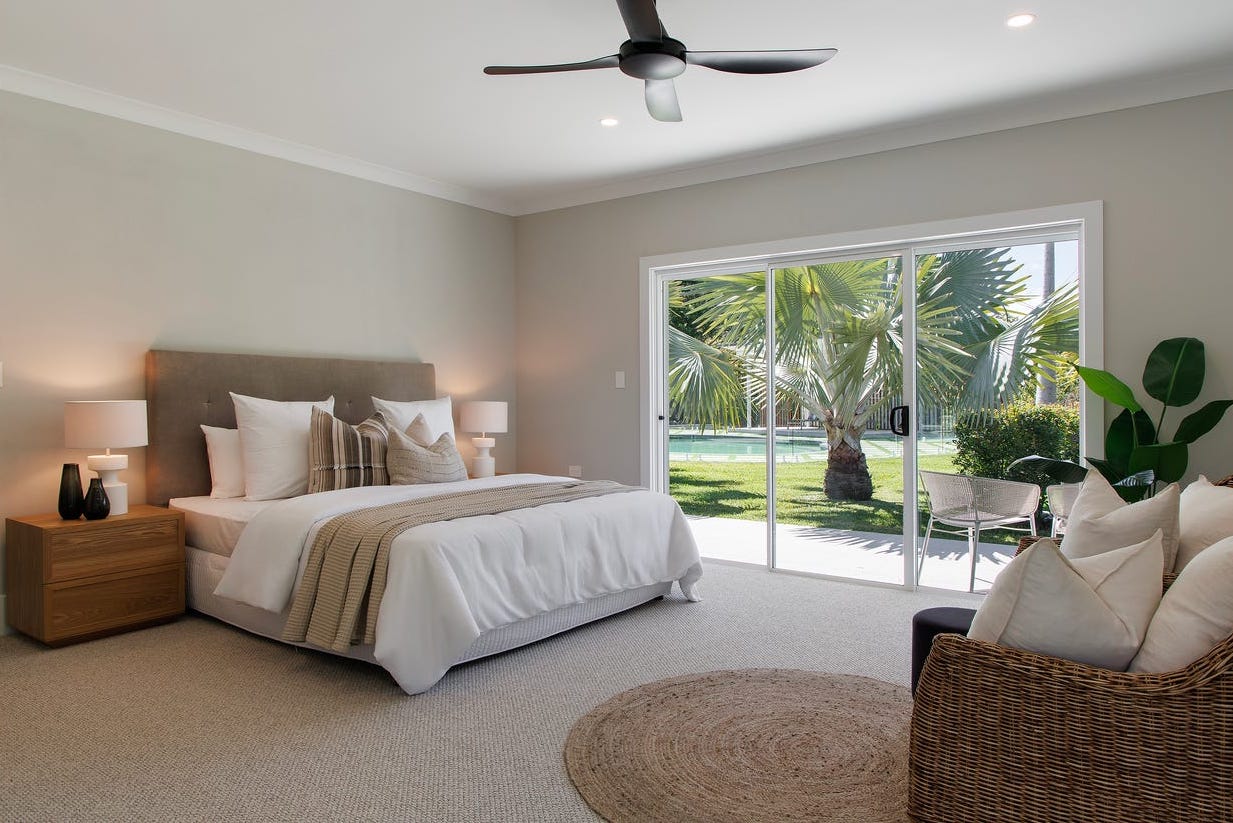
The design of a bedroom is not only shaped by individual taste or architectural trends but also deeply influenced by cultural traditions, regional climates, and societal values. Around the world, bedroom aesthetics reflect how people view comfort, privacy, spirituality, and daily living. Understanding these cultural and regional influences provides insight into how different societies interpret the concept of rest, intimacy, and well-being within private spaces.
The Role of Culture in Bedroom Design
Culture plays a defining role in shaping how people perceive and use their bedrooms. Every region carries its own traditions, materials, and design philosophies that influence space planning, color choices, and furniture arrangement.
In some cultures, the bedroom is a deeply personal retreat meant for rest and reflection. In others, it doubles as a multifunctional space—used for reading, meditation, or even entertaining close family members. Cultural identity, lifestyle, and values all merge to define how bedrooms are built, decorated, and experienced.
Asian Bedroom Design: Harmony and Simplicity
Asian bedroom design emphasizes balance, minimalism, and connection with nature. It draws inspiration from philosophies such as Feng Shui and Zen, which focus on energy flow and inner peace.
Key Features
- Natural Materials: Wood, bamboo, rice paper, and linen dominate interiors, creating organic warmth.
- Low Furniture: Platform beds and floor cushions promote a grounded connection to the earth.
- Neutral Palettes: Soft beiges, whites, and greens enhance tranquility.
- Symmetry and Balance: Placement of furniture and décor aims to maintain harmony and unobstructed energy flow.
Japanese bedrooms, for instance, often feature tatami mats and sliding shoji screens, while Chinese bedrooms emphasize symmetry and the alignment of furniture according to Feng Shui principles. Both reflect a deep respect for simplicity, nature, and mindful living.
Scandinavian Bedroom Design: Functionality and Light
The Scandinavian approach to bedroom design stems from a need to combat long, dark winters and limited natural daylight. The result is a design philosophy centered around brightness, minimalism, and comfort—often referred to as “hygge,” the Danish concept of cozy living.
Key Features
- Light Colors: White and pastel tones reflect light and create openness.
- Natural Textures: Wool, wood, and cotton add tactile warmth.
- Simplicity in Form: Furniture emphasizes function with clean lines and ergonomic design.
- Connection to Nature: Large windows and organic décor encourage interaction with natural surroundings.
Scandinavian bedrooms are known for their calming atmospheres and efficient use of space. They embody the belief that a clutter-free environment enhances emotional well-being and sleep quality.
Mediterranean Bedroom Design: Warmth and Earthy Elegance
The Mediterranean region, spanning Southern Europe and parts of North Africa, is known for architecture that celebrates light, texture, and natural beauty. Bedrooms here are designed to stay cool in summer while maintaining warmth in winter.
Key Features
- Earth-Toned Color Schemes: Terracotta, olive green, and white dominate the palette.
- Textured Walls and Floors: Stucco finishes, stone, and tiled surfaces add rustic character.
- Wrought Iron Details: Bed frames and lighting fixtures often feature intricate metalwork.
- Breezy Fabrics: Sheer curtains and linen bedding enhance air circulation.
These bedrooms evoke a timeless sense of relaxation, reminiscent of coastal life and sun-drenched landscapes. Arched doorways, wooden beams, and mosaic tiles further add to the charm and authenticity.
Middle Eastern Bedroom Design: Luxury and Tradition
Middle Eastern bedroom design blends opulence with cultural symbolism. The use of rich colors, intricate patterns, and layered textures reflects centuries of artistry and craftsmanship.
Key Features
- Bold Colors: Deep reds, golds, and blues symbolize prosperity and spirituality.
- Ornate Detailing: Carved wood panels, geometric tiles, and arabesque motifs define the aesthetic.
- Layered Fabrics: Silk drapes, velvet cushions, and embroidered throws add softness and depth.
- Lighting Ambience: Lanterns and low-hanging lamps provide a warm, diffused glow.
In many Middle Eastern cultures, the bedroom represents both luxury and privacy. It’s a space designed to feel sacred—where personal reflection and family life intersect.
American Bedroom Design: Comfort and Personalization
In the United States, bedroom design often prioritizes comfort, individuality, and practicality. Influenced by diverse cultural backgrounds, American bedrooms combine traditional and contemporary elements to suit personal lifestyles.
Key Features
- Spacious Layouts: Bedrooms often include walk-in closets, en suite bathrooms, and seating areas.
- Personal Expression: Artwork, color choices, and furnishings reflect individuality.
- Mixed Materials: Designers combine modern materials like glass and metal with traditional wood.
- Focus on Comfort: Plush bedding, layered textiles, and ergonomic furniture define the space.
The modern American bedroom embodies flexibility—able to adapt to minimalist trends, rustic farmhouse styles, or sleek urban aesthetics depending on preference.
African Bedroom Design: Earth Connection and Texture
African bedroom design emphasizes a strong connection to nature, local craftsmanship, and cultural storytelling. The aesthetics often reflect the surrounding environment, using locally sourced materials and handcrafted items.
Key Features
- Earthy Tones: Browns, ochres, and deep greens mirror the natural landscape.
- Handcrafted Furniture: Wood carvings and woven baskets express traditional artistry.
- Natural Materials: Clay, jute, and leather add authenticity and warmth.
- Cultural Symbolism: Patterns and textiles often represent heritage and identity.
African-inspired bedrooms bring tactile richness and organic beauty, combining comfort with deep cultural resonance.
Indian Bedroom Design: Color, Craft, and Spiritual Balance
Indian bedrooms are vibrant, layered, and deeply symbolic. Influenced by regional climates and cultural diversity, these spaces are designed for both rest and reflection.
Key Features
- Vibrant Colors: Warm hues like maroon, saffron, and turquoise dominate.
- Artisan Craftsmanship: Intricate woodwork, handwoven textiles, and brass accents add depth.
- Spiritual Touches: Elements like incense, mandalas, and religious icons are integrated into design.
- Climate-Responsive Layouts: High ceilings, fans, and cross-ventilation keep rooms cool.
In India, the bedroom is a space of rejuvenation and personal identity. Its design often reflects traditional heritage blended with modern luxury.
Latin American Bedroom Design: Energy and Expression
Latin American design celebrates life and color. Bedrooms here are expressions of joy, culture, and creativity, often mixing traditional and modern elements with effortless flair.
Key Features
- Bold Color Combinations: Bright yellows, reds, and blues create a lively ambiance.
- Local Craftsmanship: Handwoven rugs, pottery, and wooden furniture add authenticity.
- Indoor-Outdoor Connection: Large windows and balconies embrace the natural landscape.
- Textural Variety: Adobe walls, woven fabrics, and painted tiles contribute visual richness.
Latin American bedrooms convey warmth and energy, reflecting the region’s vibrant spirit and cultural diversity.
How Regional Climate Shapes Bedroom Design
Climate influences design just as strongly as culture. In tropical areas, bedrooms prioritize ventilation, natural materials, and light fabrics. In colder regions, insulation, layered textiles, and warm lighting become key.
- Hot Climates: Light colors, breathable fabrics, ceiling fans, and wide windows encourage airflow.
- Cold Climates: Heavy curtains, thick rugs, and insulated walls retain warmth.
- Humid Climates: Moisture-resistant materials like rattan and teak prevent decay.
- Arid Climates: Natural stone, terracotta, and shaded courtyards help regulate temperature.
Architects and designers adapt bedroom designs to align with the environment while maintaining aesthetic integrity.
The Globalization of Bedroom Design
Today, globalization has blurred traditional design boundaries. Homeowners blend international styles to create hybrid bedroom spaces that reflect both global trends and personal identity. A Scandinavian color palette might coexist with Japanese minimalism or Mediterranean warmth. The modern bedroom has become a fusion of cultures, where personal stories are expressed through design choices that transcend geography.
FAQs
How does culture influence bedroom color choices?
Cultural beliefs and traditions often dictate color psychology. For instance, white symbolizes purity in Western cultures but mourning in some Asian traditions.
Why are Asian bedrooms typically minimalist?
Minimalism in Asian design reflects philosophies like Zen and Feng Shui, emphasizing simplicity, harmony, and spiritual balance.
What makes Mediterranean bedrooms different from others?
They embrace earthy tones, natural textures, and architecture that maximizes airflow and light—ideal for warm coastal climates.
Do climate and geography affect bedroom furniture choices?
Yes. In humid climates, materials like teak or bamboo resist moisture, while in colder regions, heavier wood furniture provides durability and warmth.
Can cultural styles be mixed in one bedroom?
Absolutely. Modern design encourages cross-cultural fusion, allowing homeowners to blend traditional influences with contemporary functionality for a unique, personalized space.
Cultural and regional influences on bedroom design showcase the richness of human diversity. From the serene simplicity of Japan to the vibrant color of India, each region tells its story through form, texture, and light—reminding us that even in our most private spaces, culture is always at home.