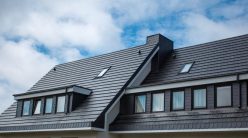


Roofing is one of the most critical components of any structure, protecting the interior from weather damage while influencing the building’s energy efficiency and aesthetic appeal. Over the past two decades, roofing systems have undergone a technological transformation, with innovations in materials, design, and energy performance shaping modern construction practices. For property owners and contractors, understanding how today’s roofing works—and how to maintain it—can drastically extend its lifespan and reduce long-term costs.
Understanding the Purpose and Structure of a Roofing System
A roof is far more than just a surface of shingles or tiles. It’s a layered system designed for protection, insulation, and ventilation. Each layer performs a specific function to ensure that the structure below remains dry and temperature controlled.
Modern roofing systems typically include:
- Decking: The structural base layer that supports the entire roofing system, usually made of plywood or oriented strand board (OSB).
- Underlayment: A moisture-resistant barrier that protects the decking from leaks and water damage.
- Flashing: Metal components placed around roof joints, chimneys, and vents to prevent water intrusion.
- Roof Covering: The visible layer—shingles, tiles, or metal panels—that provides the first line of defense against the elements.
- Ventilation Components: Allow air circulation in the attic to reduce heat buildup and moisture retention.
By viewing roofing as a system rather than a surface, it becomes easier to understand how each component contributes to energy performance and durability.
The Evolution of Roofing Materials
Traditional roofing materials like asphalt shingles and clay tiles are still widely used, but advancements in material science have introduced superior alternatives that offer extended lifespan, reduced maintenance, and improved environmental benefits. The roofing industry has moved toward efficiency and sustainability while maintaining the strength and resilience that homeowners demand.
Common Types of Modern Roofing Materials
1. Architectural Asphalt Shingles:
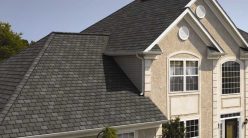
An upgraded version of traditional shingles, these are thicker, more durable, and offer better resistance against wind and UV exposure. They mimic the look of high-end materials such as slate or wood while remaining cost-effective.
2. Metal Roofing:
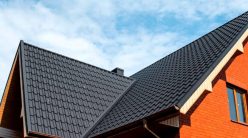
Aluminum, steel, and copper roofing are popular for their strength, longevity, and low maintenance. Metal roofing can last 50 years or more and reflects sunlight, reducing cooling costs in warm climates.
3. Clay and Concrete Tiles:
These are ideal for regions with intense sunlight or coastal climates. Clay tiles resist fading, and concrete tiles can be shaped and colored to replicate other materials, providing flexibility in design.
4. Slate Roofing:
Natural slate is one of the most durable materials available, capable of lasting over a century when properly installed. It offers a timeless, elegant appearance and exceptional fire resistance.
5. Synthetic and Composite Roofing:
Made from recycled materials, synthetic roofing products replicate the texture of natural wood or stone while being lighter and more impact-resistant.
6. Green Roof Systems:
A growing trend in sustainable architecture, green roofs are covered with vegetation and soil layers that provide natural insulation and reduce stormwater runoff.
Roofing Design and Energy Efficiency
Roofing is a major factor in a building’s energy performance. A well-insulated roof reduces heat loss in winter and heat gain in summer, lowering energy consumption and increasing indoor comfort.
Energy-Efficient Roofing Practices
- Cool Roof Coatings: Reflective surfaces that reduce heat absorption, keeping roof temperatures significantly lower under sunlight.
- Proper Ventilation: Balanced intake and exhaust vents prevent moisture buildup and help regulate attic temperatures.
- Radiant Barriers: Installed under roof decking, these materials reflect radiant heat away from living spaces.
- Insulation Upgrades: Using spray foam or rigid foam boards to enhance thermal resistance.
Energy-efficient roofing can reduce annual utility bills by up to 20%, especially in regions with extreme temperatures.
Installation Quality and Building Codes
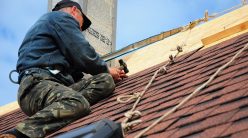
Even the highest-quality roofing materials can fail if not installed correctly. Professional installation ensures that the roof meets structural codes and manufacturer specifications. Improper nailing, flashing errors, or poor ventilation can lead to premature leaks and warranty voids.
Licensed roofing contractors follow building codes and safety standards to ensure that each system withstands wind, rain, and temperature fluctuations. In hurricane-prone or snowy regions, additional reinforcements or underlayments may be required to comply with local regulations.
Roofing Maintenance and Inspection
Roof maintenance is a preventive investment that extends the lifespan of the system and protects property value. A neglected roof can lead to water intrusion, structural decay, and mold growth—issues that are far more expensive to fix later.
Recommended Maintenance Practices
- Inspect the roof twice a year, ideally in spring and fall, to identify damage from weather or debris.
- Clean gutters and downspouts regularly to prevent clogs that lead to water pooling on the roof.
- Trim overhanging branches to avoid damage from falling limbs and leaf buildup.
- Check flashing and seals around chimneys, skylights, and vents for signs of deterioration.
- Address minor leaks immediately, as small water intrusions can spread quickly beneath the roofing layers.
Roof inspections conducted by certified professionals can identify subtle issues that might not be visible from the ground, ensuring small repairs don’t turn into large replacements.
The Role of Roofing in Home Value and Aesthetics
A roof is not just functional; it’s one of the most visible features of a home’s exterior. High-quality materials and proper installation enhance curb appeal and resale value. Homebuyers often consider the age and condition of the roof as a primary factor before purchasing a property.
Modern roofing offers a variety of colors, textures, and architectural designs to complement any home style. Whether opting for rustic charm with cedar shakes or sleek lines with standing seam metal, the right choice adds visual harmony and long-term reliability.
Emerging Roofing Technologies
The future of roofing is defined by smart materials and automation. Roofing systems are now integrating with digital technologies to provide real-time monitoring and predictive maintenance.
Innovative Developments in Roofing Technology
- Solar-Integrated Roofs: Photovoltaic tiles that generate electricity without requiring separate solar panels.
- Self-Healing Materials: Roof coatings that automatically seal small cracks and abrasions using embedded microcapsules.
- Thermal Imaging Drones: Used for roof inspections to detect insulation gaps and moisture penetration.
- Recycled and Circular Materials: Manufacturers are developing closed-loop systems that allow old roofing materials to be recycled into new products.
These advancements promote sustainability while reducing long-term operational costs, marking a major shift toward intelligent construction practices.
Roofing for Extreme Weather Conditions
Climate change has made extreme weather events more common, requiring roofs to withstand greater stress. Roof design now focuses on impact resistance, waterproofing, and wind uplift prevention.
For hurricane zones, metal roofing and reinforced shingles rated for 130 mph winds are standard. In snowy regions, roofs must be pitched steeply to prevent ice dams and structural loading. Fire-resistant materials like slate, tile, and treated metal are essential in areas prone to wildfires.
Contractors are adopting impact-rated shingles and advanced fastening systems that provide extra resilience against hail and debris damage, ensuring long-term structural safety.
The Economics of Roof Replacement vs. Repair
One of the biggest decisions for property owners is whether to repair or replace a damaged roof. The right choice depends on the age, material, and extent of damage.
Roof Repair is suitable when damage is localized, such as a few missing shingles or minor flashing leaks. It’s less expensive in the short term but may not address underlying issues.
Roof Replacement becomes necessary when the system has exceeded its service life or shows widespread wear. Though costlier upfront, it ensures structural integrity and resets the lifespan of the property’s protective envelope.
A thorough inspection and moisture test can help determine which approach offers the best value for long-term protection.
Frequently Asked Questions
1. How long does a new roof typically last?
The lifespan depends on the material. Asphalt shingles last about 25 years, metal roofs up to 50, and slate or tile roofs over 75 years with proper maintenance.
2. What are the signs that a roof needs replacement?
Look for curling shingles, sagging sections, persistent leaks, granule loss, or sunlight filtering through attic boards. These are clear indicators that the system’s integrity is compromised.
3. How can roofing impact indoor comfort?
Proper insulation and ventilation under the roof regulate attic temperature, preventing heat buildup in summer and retaining warmth in winter.
4. Is metal roofing noisy during rain?
When installed correctly with insulation and underlayment, metal roofing is no louder than any other roofing material. The misconception stems from older, uninsulated installations.
5. What’s the most eco-friendly roofing option available?
Recycled metal, cool roofs, and green roof systems are the most sustainable options. They reduce energy consumption, minimize waste, and improve air quality around the building.
6. Can solar panels be installed on any roof type?
Most modern roofs can accommodate solar panels, but structural assessment is essential. Flat or low-slope roofs often require additional mounting systems to achieve the correct tilt.
Roofing today represents a blend of science, design, and sustainability. From material innovation to smart monitoring, it’s not just about protection anymore—it’s about efficiency, longevity, and aesthetics working in harmony. A modern roofing system built with precision and maintained with care stands as a long-term investment in the safety, value, and performance of any property.