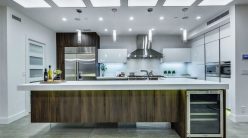


Interior design is more than decorating rooms or choosing furniture; it’s the thoughtful process of creating functional, aesthetic, and emotionally resonant environments. The modern approach to interior design blends artistic vision with technical expertise to shape spaces that not only look beautiful but also enhance well-being and efficiency. Whether in homes, offices, or hospitality venues, interior design has evolved into a multidimensional discipline that balances creativity, ergonomics, and sustainability to meet human needs at every level.
The Essence of Interior Design
Interior design is the deliberate orchestration of spatial elements—light, color, texture, form, and proportion—to create meaningful human experiences. A successful design goes beyond visual appeal; it enhances functionality, supports lifestyle, and fosters a connection between people and their surroundings. In today’s world, where individuals spend the majority of their lives indoors, design choices can influence productivity, mental health, and even social interaction.
At its heart, interior design is about storytelling through space. Every choice—from the curve of a sofa to the hue of a wall—contributes to a narrative about who we are and how we live. Designers serve as translators of human behavior, interpreting needs and aspirations into spatial solutions that feel both personal and universal.
Historical Evolution of Interior Design
The roots of interior design stretch back to ancient civilizations where aesthetics and craftsmanship defined culture and status. Each historical period introduced new philosophies that shaped how spaces were conceived.
Ancient and Classical Eras
Egyptian interiors reflected order, symbolism, and a deep connection to the afterlife. Greek and Roman designs elevated symmetry, proportion, and architectural ornamentation, establishing enduring principles of balance that influence contemporary design.
Medieval to Renaissance
During the Middle Ages, interiors became utilitarian and fortress-like, emphasizing protection over aesthetics. The Renaissance brought a revival of art and geometry, celebrating symmetry and perspective. Palaces and villas integrated frescoes, columns, and sculptural details to reflect intellectual and cultural enlightenment.
Industrial Revolution
The 19th century transformed interior design through mass production and new materials. Iron, glass, and steel allowed designers to innovate structurally while catering to growing urban populations. This era marked the shift from artisanal craftsmanship to industrial manufacturing, paving the way for design democratization.
Modern and Contemporary Movements
Modernism introduced the mantra “form follows function,” advocating simplicity and rejecting unnecessary ornamentation. Pioneers like Frank Lloyd Wright and Le Corbusier emphasized openness, light, and the integration of architecture with nature. Contemporary design, in contrast, embraces diversity—mixing styles, materials, and technologies to reflect an evolving world.
Core Principles of Interior Design
The best interior design is guided by a set of universal principles that ensure balance, harmony, and purpose in every space.
Balance
Balance creates stability through the equal distribution of visual weight. It can be symmetrical, where elements mirror each other, or asymmetrical, where contrast is used to achieve equilibrium.
Rhythm
Rhythm introduces movement through repetition, progression, or contrast. Repeating colors, patterns, or shapes throughout a room creates flow and cohesiveness.
Emphasis
Every well-designed space has a focal point—a feature that draws attention. Whether it’s a fireplace, a piece of art, or a statement chandelier, emphasis helps organize visual hierarchy.
Contrast
Contrast enhances visual interest by pairing light with dark, rough with smooth, or modern with traditional. It defines the personality of a space and prevents monotony.
Scale and Proportion
Proportion ensures harmony between elements, while scale addresses how they relate to human dimensions. Oversized furniture in a small room can overwhelm, just as tiny décor can get lost in large interiors.
Unity and Harmony
These principles ensure that all components work cohesively. A unified design creates emotional comfort and aesthetic satisfaction.
The Role of Color and Light
Color and light are the emotional foundation of interior design. They influence mood, perception, and spatial dynamics.
Color Psychology
- Warm colors like red, orange, and yellow energize and create intimacy.
- Cool colors such as blue, green, and violet promote calmness and focus.
- Neutral tones like beige, gray, and white offer balance and adaptability.
A color palette should complement natural light, architectural elements, and the purpose of the room. For example, bedrooms often favor muted tones for relaxation, while living spaces use bolder contrasts for vitality.
Lighting Design
Lighting transforms interiors by defining depth and highlighting textures. A comprehensive design includes:
- Ambient lighting for overall illumination.
- Task lighting for specific activities like reading or cooking.
- Accent lighting to draw attention to artworks or architectural features.
Layering these types of light creates flexibility and dimension.
Functional Zoning and Spatial Planning
Interior design must respond to both human behavior and architectural context. Functional zoning divides a space into areas based on activity, ensuring seamless flow and usability.
Key Aspects of Spatial Planning
- Traffic Flow: Clear pathways prevent congestion and promote ease of movement.
- Ergonomics: Furniture placement should align with natural movement and comfort.
- Proximity: Related functions should be adjacent, such as dining near kitchens or study areas near natural light.
Efficient spatial design reflects a deep understanding of how people inhabit and interact with their environment.
Materiality and Texture
Materials define the tactile and sensory experience of a space. Their choice affects acoustics, maintenance, and emotional response.
Natural vs. Synthetic Materials
Natural materials like wood, stone, and linen provide warmth and authenticity, while synthetics offer durability and versatility. A balanced mix of both ensures aesthetic richness and practicality.
The Power of Texture
Texture influences how a room feels. Smooth surfaces convey sophistication, while rough textures introduce coziness. Combining contrasting textures—leather with velvet, metal with rattan—creates depth and visual intrigue.
Sustainable Interior Design
Sustainability is a cornerstone of modern interior design. Designers are increasingly responsible for minimizing environmental impact through conscious choices.
Sustainable Practices
- Recycled and renewable materials reduce waste.
- Energy-efficient lighting and HVAC systems lower consumption.
- Non-toxic paints and finishes improve indoor air quality.
- Local sourcing supports regional economies and reduces carbon footprint.
The rise of biophilic design, which integrates natural elements into interiors, also reflects the growing awareness of sustainability’s role in human health and comfort.
Technology in Interior Design
Technology has revolutionized the interior design industry, enhancing both creativity and precision.
Digital Design Tools
3D rendering software allows designers to visualize and modify concepts before implementation, saving time and cost. Virtual reality offers immersive walkthroughs, helping clients experience their future spaces in real time.
Smart Interiors
Smart home integration merges design with functionality. Automated lighting, climate control, and security systems adapt to user behavior, offering efficiency and comfort. The challenge for designers is to integrate these technologies subtly without compromising aesthetic integrity.
Cultural Influence in Design Choices
Culture shapes design aesthetics, influencing everything from layout to ornamentation. American interiors often prioritize openness and flexibility, while European designs focus on craftsmanship and heritage. Asian interiors emphasize harmony and balance, using space and light to achieve serenity.
Understanding cultural context allows designers to create spaces that resonate emotionally and respect local identity while embracing global trends.
The Psychology of Interior Design
Interior design profoundly affects psychological well-being. Elements such as light, proportion, and layout can influence mood, behavior, and cognitive function.
Emotional Design Elements
- Natural Light: Boosts serotonin and improves focus.
- Color Temperature: Warm tones evoke comfort; cool tones stimulate clarity.
- Spatial Clarity: Reduces anxiety and fosters relaxation.
- Personalization: Including familiar objects strengthens emotional attachment to space.
Good design supports mental health by providing order, calm, and stimulation in balanced measure.
Interior Design Trends Shaping the Future
The future of interior design lies in innovation, personalization, and sustainability.
Current and Emerging Trends
- Biophilic Design: Incorporates plants, organic materials, and natural light for wellness.
- Minimalist Luxury: Combines simplicity with high-quality materials and craftsmanship.
- Adaptive Spaces: Flexible furniture and movable partitions cater to evolving lifestyles.
- Artisan Revival: Handcrafted elements bring authenticity and character back to interiors.
- Digital Aesthetics: The influence of social media inspires bold, photogenic spaces that merge art and design.
These trends signify a shift from material opulence to emotional richness and environmental awareness.
FAQs
How does interior design impact mental health?
Interior design affects mood through lighting, color, and spatial organization. Thoughtfully designed environments reduce stress and promote mental clarity.
What are the best materials for sustainable interiors?
Reclaimed wood, bamboo, cork, and recycled metals are durable, eco-friendly, and visually appealing options for sustainable design.
How do interior designers balance functionality with aesthetics?
Designers prioritize user needs, ensuring furniture placement and spatial flow serve daily activities while maintaining aesthetic harmony.
What is biophilic design and why is it important?
Biophilic design connects interiors with nature, enhancing well-being through natural light, greenery, and organic materials. It reduces stress and increases productivity.
Can technology improve interior design?
Yes, digital tools enable precise visualization, while smart home systems offer adaptability and energy efficiency, elevating both user experience and design quality.
Why is lighting so critical in interior design?
Lighting defines mood, enhances textures, and influences perception of color and space. Proper lighting design transforms ordinary interiors into dynamic environments.
How do cultural differences influence interior design?
Cultural traditions determine aesthetic preferences, spatial organization, and material usage, creating diversity in global design languages.
Interior design is a fusion of art, science, and human emotion, shaping how people live, work, and connect. It’s a discipline that transforms physical environments into living expressions of identity, comfort, and innovation—proving that great design is not just seen but deeply felt.