
Classic interior design stands as a testament to timeless elegance. It evokes sophistication through balanced proportions, intricate details, and carefully selected elements. One of the easiest ways to achieve this aesthetic is through the use of decorative mouldings, which have been a staple in refined interiors for centuries. Whether you’re designing a luxurious home in Bangkok or a serene retreat in Chiang Mai, incorporating decorative mouldings can elevate your living spaces.
The Elegance of Decorative Mouldings
Decorative mouldings are more than just architectural embellishments; they define spaces, add texture, and introduce character. They are also versatile, available in various materials like wood, plaster, and polyurethane moulding (known as บัวโพลียูรีเทน in Thai). Each option offers its unique benefits, but modern materials like polyurethane bring durability and ease of use to traditional designs without compromising on style.
By using mouldings, you can frame walls, ceilings, and even furniture, giving your home an elegant frame that stands out. Cornices, dados, and ceiling roses are some popular elements that effortlessly transform any space.
Applications in Thai Homes
Thailand’s architecture and interior design have long celebrated ornate detailing and craftsmanship. This aligns beautifully with the use of mouldings, particularly in capturing classic aesthetics. Here are a few ways to integrate these elements into Thai homes:
- Ceiling Additions for Lofty Ambiance
High ceilings are a feature many homes across Thailand enjoy. Installing ornate ceiling mouldings or medallions around ceiling fans or light fixtures can create a striking focal point that complements other decorative elements.
- Framing Doors and Windows
Decorative mouldings around doorways and windows can lend a sense of grandeur to entryways. They also help to blend traditional and contemporary styles seamlessly, ideal for modern Thai villas and urban apartments.
- Wall Paneling for Depth and Structure
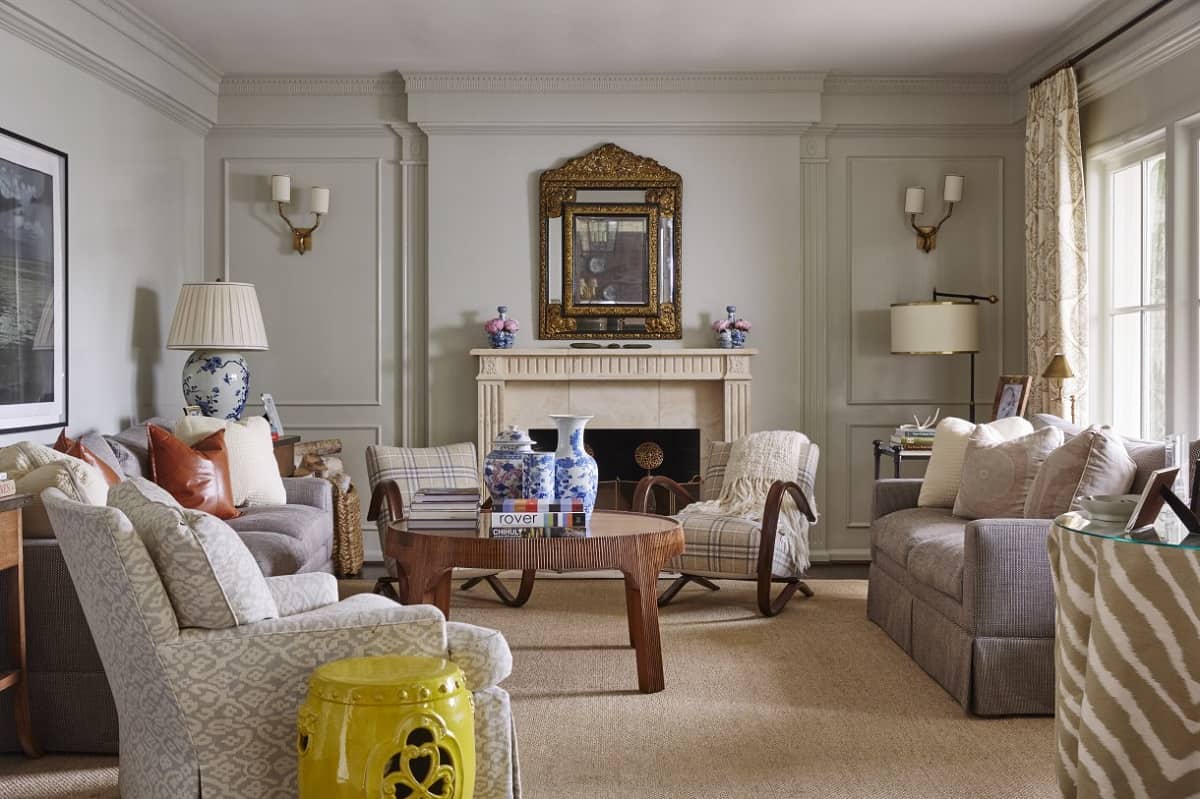
Wall panel moulding creates the appearance of framed sections, offering depth and a more structured look. This technique is especially effective if you aim to balance plain walls with intricate detailing.
- Furniture Details
Incorporate mouldings into beds, tables, or wardrobes to reflect the intricacy and fine details of Thai craftsmanship. This subtle enhancement blends functionality with elegance.
Benefits of Modern Materials like Polyurethane
Thanks to advancements in materials, creating classic interiors with decorative mouldings has become more accessible. Polyurethane moulding is a practical choice that combines lightweight properties with excellent durability. It resists cracks, moisture, and pests while being easy to install, even in Thailand’s humid climate. Unlike traditional plaster or wood, polyurethane options are more cost-effective and long lasting, making them ideal for various projects.
Aesthetic Harmony with Colour and Finish
To maximise the effect of decorative mouldings, attention to colour and finish is vital. Neutral tones such as white, beige, or ivory enhance the intricate designs of mouldings and maintain a classic feel. For Thai homes, integrating gold or silver accents in select areas can lend a touch of luxury without overwhelming the space.
Additionally, the finish of the mouldings should align with the overall style of the room. Matte finishes preserve elegance, while high gloss may work well for spaces with more contemporary touches.
Crafting Timeless Spaces in Thailand
Classic interior design doesn’t mean replicating a dated aesthetic. It’s about using timeless elements like decorative mouldings to create spaces that feel elegant and inviting. Whether you’re working with traditional high ceilings in a Bangkok townhouse or updating a modern Phuket condo, the right mouldings can transform a room into a sophisticated masterpiece.
By thoughtfully selecting materials, styles, and applications, you bring out the best in any space while paying homage to timeless design principles.