
Maintaining a clean environment is essential not only for aesthetics and hygiene but also for effective pest prevention. Pests like rodents, insects, and other unwanted critters thrive in dirty, cluttered spaces where food and shelter are readily available. Understanding the profound connection between cleanliness and pest control can help you create a home that is less inviting to these unwelcome visitors.
Understanding Pest Behavior
Before delving into cleanliness, it’s vital to understand why pests invade homes. Most pests are attracted to food, water, and shelter. In cluttered or unkempt environments, these resources become abundant, providing ideal conditions for pests to thrive.
1. Food Sources
Many common household pests, such as ants, cockroaches, and mice, are opportunistic feeders. They are drawn to readily available food sources, including:
- Open Food Containers: Leaving food out on countertops or not sealing containers properly can attract pests.
- Crumbs and Spills: Small food particles left on surfaces can be a buffet for insects and rodents.
2. Water Sources
Pests also require water for survival. Areas with excess moisture or standing water can become breeding grounds for various pests:
- Leaky Pipes: Dripping faucets or leaks under sinks create moisture that attracts pests.
- Humidity: High humidity levels in areas like basements or bathrooms can lead to infestations.
3. Shelter
Pests seek shelter in warm, dark places where they can hide and breed. Cluttered spaces provide perfect hiding spots:
- Piles of Clothes or Papers: These can create ideal nesting sites for pests like bed bugs or mice.
- Unused Items: Boxes and old furniture can harbor insects, making them difficult to detect.
The Role of Cleanliness in Pest Prevention
Implementing cleanliness in your home can significantly reduce the likelihood of pest infestations. Here’s how:
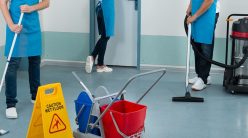
1. Regular Cleaning
Frequent cleaning disrupts the conditions that attract pests. Establish a routine that includes:
- Dusting and Vacuuming: Regularly dusting surfaces and vacuuming floors helps eliminate crumbs, food particles, and potential pest habitats.
- Wiping Down Surfaces: Use disinfectant wipes or sprays on countertops and tables to remove food residues.
2. Proper Food Storage
How you store food plays a crucial role in pest prevention:
- Seal Containers: Use airtight containers for dry foods, such as grains, cereals, and snacks. This makes it difficult for pests to access food.
- Refrigerate Perishables: Keep fruits, vegetables, and other perishables in the refrigerator to deter pests from accessing them.
3. Managing Waste
Waste management is another critical aspect of cleanliness:
- Secure Trash Bins: Use trash cans with tight-fitting lids to prevent pests from accessing food scraps.
- Regular Disposal: Take out the trash regularly and clean the bins to remove any residue that might attract pests.
4. Decluttering Spaces
Reducing clutter not only creates a more pleasant living environment but also minimizes pest habitats:
- Organize Storage Areas: Keep items neatly stored and off the floor. Consider using plastic bins to store seasonal items and minimize hiding spots.
- Limit Accumulation: Regularly assess your belongings and donate or discard items you no longer need.
5. Moisture Control
Addressing moisture in your home can significantly reduce pest attraction:
- Fix Leaks Promptly: Repair any leaks in pipes, roofs, or walls to eliminate water sources.
- Use Dehumidifiers: In humid areas, use dehumidifiers to maintain optimal humidity levels and deter pests.
Landscaping and Outdoor Cleanliness
Pest prevention extends beyond your home’s interior. Your outdoor environment also plays a role in attracting pests. Here are some strategies to consider:
1. Yard Maintenance
A well-maintained yard can help keep pests at bay:
- Trim Vegetation: Regularly trim bushes and trees to prevent them from touching your home, as this can provide a bridge for pests.
- Remove Debris: Clear away piles of leaves, wood, or debris that can serve as hiding places for insects or rodents.
2. Proper Drainage
Good drainage is essential to prevent water accumulation:
- Inspect Gutters: Ensure that gutters are clean and functioning properly to direct water away from your home.
- Fill in Puddles: Fill low areas in your yard where water tends to pool, eliminating standing water that can attract mosquitoes and other pests.
The Importance of Professional Help
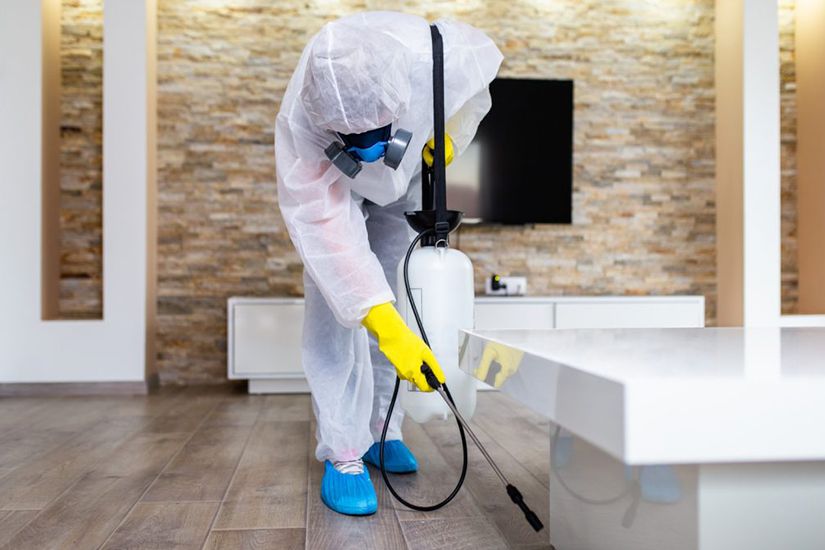
Even with rigorous cleanliness efforts, pest problems can arise. If you encounter a significant infestation, it’s important to consult a professional pest control service. These experts can identify the source of the problem, provide tailored solutions, and offer advice on maintaining a pest-free environment.
Creating a Pest Prevention Mindset
To truly benefit from the connection between cleanliness and pest prevention, it’s important to adopt a proactive mindset. Encourage all household members to participate in maintaining cleanliness. By creating a culture of awareness and responsibility, everyone can contribute to a healthier living environment.
Conclusion: Cleanliness as a First Line of Defense
The relationship between cleanliness and pest prevention is clear: a clean home is a pest-free home. By implementing regular cleaning routines, managing waste properly, and controlling moisture levels, you can create an environment that is less inviting to pests. Remember, vigilance is key; staying proactive in your cleanliness efforts can save you from the headaches and expenses associated with pest infestations. Embrace these practices to enjoy a safe, comfortable, and pest-free living space.