

When it comes to home improvement, we often focus on aesthetics, comfort, and functionality, but one aspect that is frequently overlooked is indoor air quality. Many people associate carpets with dust, dirt, and allergens, but what if we told you that carpeting, when chosen and maintained correctly, can actually contribute to a healthier indoor environment? The truth is, carpets can improve indoor air quality by trapping airborne particles, reducing dust, and acting as a buffer against outdoor pollutants. Let’s explore how carpets can make a positive difference in the air you breathe inside your home.
1. Carpets Act as Air Filters
One of the most significant benefits of carpets is their ability to act as passive air filters. Carpets are designed with fibers that have the unique ability to trap dust, allergens, and other airborne particles, preventing them from floating around in the air. When you walk around, particles in the air are drawn toward the carpet fibers and settle there instead of circulating throughout the room.
How It Works:
- The dense fibers of the carpet help capture particles like dust mites, pollen, pet dander, and even mold spores. These allergens are held within the carpet until they are removed through regular cleaning.
- The carpet’s ability to trap airborne particles can help prevent them from being inhaled by you and your family, reducing the risk of allergies and respiratory issues.
2. Carpet Reduces Dust and Dirt Accumulation
Homes, especially those in areas with high foot traffic, are constantly exposed to dirt, dust, and outdoor pollutants. Without proper filtration, these particles can accumulate and degrade the air quality over time. Carpets, however, can help manage this problem by acting as a filter that captures and holds dust and dirt.
The Benefits:
- Carpets act as a barrier to dust, keeping it from circulating freely in the air. Instead of landing on furniture, floors, or in your lungs, these particles are captured within the fibers of the carpet.
- This reduces the frequency of dusting and vacuuming needed to maintain a clean home while contributing to improved air quality.
3. Reducing Allergens and Irritants
Many common household allergens, such as pet dander, pollen, and dust mites, can trigger allergic reactions or asthma symptoms. However, carpets can actually help reduce the presence of these irritants in the air, which ultimately leads to a healthier environment.
How Carpet Helps:
- Carpet fibers trap allergens, preventing them from being released back into the air. As long as you vacuum and clean your carpets regularly, these allergens are effectively contained, reducing their potential to cause harm.
- Carpets with a low pile or tight weave tend to trap fewer allergens, as they do not allow particles to settle deep into the fibers. Choosing the right type of carpet with hypoallergenic features can further enhance this benefit.
4. Carpets Contribute to Humidity Regulation
Maintaining proper humidity levels in your home is essential for good indoor air quality. Too much moisture in the air can promote mold and mildew growth, while excessively dry air can lead to respiratory discomfort and dry skin. Carpets can contribute to the regulation of indoor humidity levels by absorbing and releasing moisture as needed.
How It Works:
- Carpets, like other natural fibers, have hygroscopic properties, meaning they can absorb moisture from the air when the humidity is high and release it when the air becomes drier.
- This helps keep the air in your home at a more stable and comfortable level, reducing the likelihood of mold growth, which is often a contributor to poor indoor air quality.
5. Carpets Prevent Outdoor Pollutants from Entering Your Home
Outdoor pollutants, such as vehicle emissions, pollen, and dust, can easily find their way into your home, especially if you live in a high-traffic urban area. Carpets can play a role in minimizing the impact of these pollutants on your indoor air quality by acting as a barrier that captures and holds these particles.
Protecting Your Home:
- When outdoor pollutants enter your home, they often settle on the floor and carpets, where they can be contained until they are cleaned. This reduces their spread and keeps them from becoming airborne again.
- By trapping these pollutants, carpets can help prevent harmful substances like VOCs (volatile organic compounds) from circulating through your home and contributing to poor air quality.
6. Carpet Maintenance and Cleaning for Better Air Quality
While carpets have the potential to improve indoor air quality, they only work effectively if maintained properly. Regular cleaning and maintenance are crucial in ensuring that the carpet continues to trap particles without contributing to poor air quality.
Cleaning Tips:
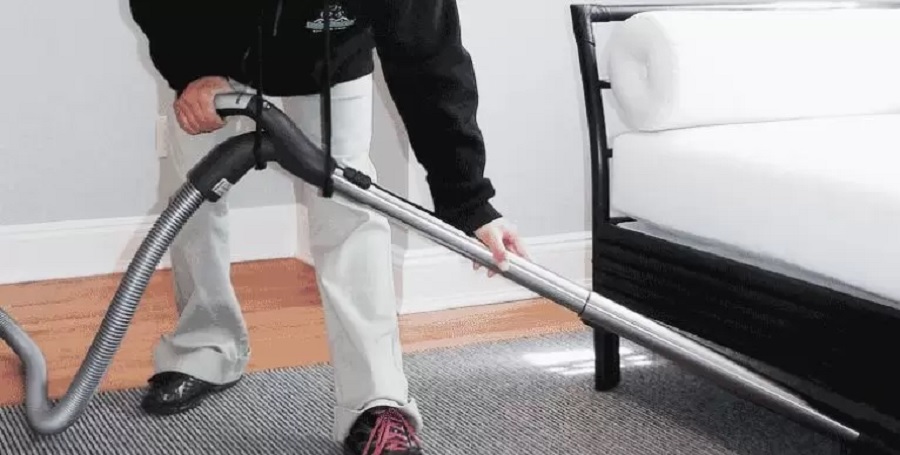
- Vacuum Regularly: Vacuuming is essential to remove the dust, dirt, and allergens trapped within the carpet. To maximize your carpet’s air-purifying capabilities, use a vacuum cleaner equipped with a HEPA filter. This ensures that even the smallest particles are captured and removed.
- Professional Carpet Cleaning: Deep cleaning your carpets at least once a year can help remove trapped dirt and allergens that may not be fully removed through regular vacuuming. Professional carpet cleaners use specialized equipment to extract deeply embedded particles, improving both the cleanliness and air quality of your home.
- Shampooing and Steam Cleaning: Carpet shampooing or steam cleaning are effective methods for deep-cleaning carpets and eliminating pollutants such as bacteria, mold, and pet dander. These methods are especially important in homes with pets or individuals with severe allergies.
7. Choosing the Right Carpet for Indoor Air Quality
Not all carpets are created equal when it comes to improving indoor air quality. Choosing the right carpet material and design can further enhance the benefits of cleaner air.
What to Look For:
- Low-VOC Carpets: Volatile organic compounds (VOCs) are chemicals commonly found in synthetic carpets, adhesives, and finishes. These compounds can off-gas into the air, contributing to poor indoor air quality. Look for carpets that are labeled as low-VOC or zero-VOC to ensure minimal chemical exposure.
- Natural Fiber Carpets: Wool and other natural fibers are often preferable for homes concerned with air quality. These fibers tend to resist allergens and bacteria and are less likely to off-gas harmful chemicals compared to synthetic options.
- Carpet with Antimicrobial Treatments: Some carpets come with antimicrobial treatments that help prevent the growth of mold and bacteria, further ensuring that your indoor air quality remains at its best.
8. The Overall Health Impact of Clean Carpets
The health benefits of clean, well-maintained carpets go beyond just reducing allergens and pollutants. Studies have shown that clean carpets contribute to improved respiratory health, fewer allergic reactions, and a reduced likelihood of asthma flare-ups.
The Healthier Home Advantage:
- A clean carpet helps promote better air quality, which can lead to better sleep, improved productivity, and a reduction in symptoms like coughing, sneezing, and itchy eyes.
- Carpets can help create a more comfortable environment, particularly for people who suffer from respiratory conditions like asthma and allergies, by maintaining a clean, allergen-free indoor air supply.
Final Thoughts
Carpets, when properly chosen and maintained, offer a surprising range of benefits for improving indoor air quality. They act as passive air filters, trap allergens, reduce dust and dirt circulation, and contribute to the regulation of humidity. With regular care and cleaning, carpets can help create a healthier, cleaner home environment. If you’re looking to enhance the air quality in your home, investing in quality carpets, alongside a consistent cleaning routine, is a smart and effective solution.