

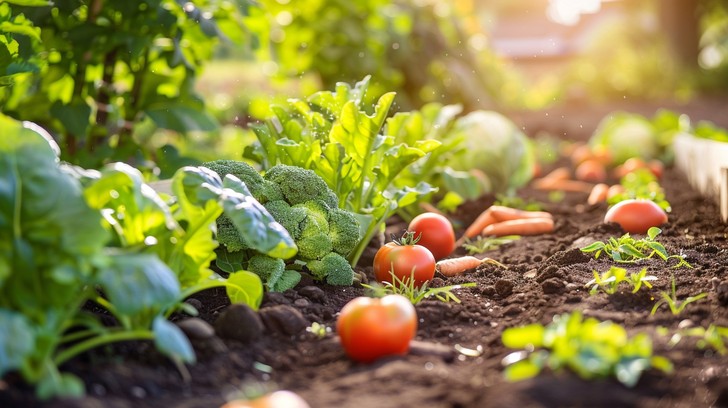
Starting a vegetable garden is an enriching endeavor that offers both personal satisfaction and tangible rewards. Whether you dream of homegrown tomatoes or fresh herbs at your fingertips, cultivating a garden can provide fresh produce and a peaceful retreat. This guide will walk you through the essential steps and considerations to help you establish your own vegetable garden successfully.
Understanding Your Space
The first step in creating a vegetable garden is assessing your available space. Gardens can thrive in various settings, from backyards to balconies. Here are a few considerations:
1. Location and Sunlight
Most vegetables require full sun, meaning they need at least six hours of direct sunlight daily. Observe your space throughout the day to identify the sunniest areas. If your space has partial shade, you can still grow shade-tolerant vegetables like leafy greens, radishes, and certain herbs.
2. Soil Quality
The foundation of a healthy garden lies in its soil. Good soil is rich in organic matter, well-drained, and has a balanced pH. To evaluate your soil, consider conducting a soil test, which can reveal nutrient levels and pH balance. Depending on the results, you may need to amend your soil with compost, peat moss, or other organic materials to improve its structure and nutrient content.
Choosing What to Grow
Once you have assessed your space, the next step is selecting the vegetables you want to grow. Start with crops that are well-suited for your climate and soil conditions. Here are a few tips:
1. Beginner-Friendly Vegetables
If you’re new to gardening, consider starting with easy-to-grow vegetables such as:
- Lettuce: Quick to germinate and harvest.
- Radishes: Fast-growing and require minimal care.
- Zucchini: Produces abundantly and is versatile in the kitchen.
2. Seasonal Planning
Understanding your growing season is crucial. Different vegetables thrive in different seasons—cool-season crops like peas and spinach prefer spring and fall, while warm-season crops like tomatoes and peppers flourish in summer. Research your hardiness zone to determine the best planting times.
Designing Your Garden Layout
A well-thought-out garden layout can maximize space and accessibility. Consider the following designs:
1. Traditional Rows
This classic approach involves planting in straight rows, making it easy to access each plant for maintenance and harvesting.
2. Square Foot Gardening
This method involves dividing your garden into square-foot sections, allowing for intensive planting in a small area. This is ideal for maximizing space and minimizing weeds.
3. Container Gardening
If space is limited, containers can be a fantastic solution. Many vegetables thrive in pots, allowing you to move plants around for optimal sunlight.
Planting Techniques
Now that you’ve selected your vegetables and designed your layout, it’s time to plant. Pay attention to these important aspects:
1. Timing
Follow the seed packet instructions for planting depth and spacing. Some seeds can be sown directly in the ground, while others may need to be started indoors and transplanted.
2. Watering
Newly planted seeds and seedlings require consistent moisture to germinate and grow. Use a gentle spray or watering can to avoid disturbing the soil. As plants mature, adapt your watering schedule based on rainfall and temperature, ensuring the soil remains moist but not soggy.
Maintenance and Care
A thriving vegetable garden requires ongoing care. Here are key practices to keep your plants healthy:
1. Weeding
Regular weeding prevents competition for nutrients and water. Aim to weed weekly, especially after rain, when weeds are easier to pull.
2. Pest Management
Keep an eye out for pests that may threaten your crops. Encourage beneficial insects, like ladybugs and lacewings, which can help control pest populations. Organic methods, such as neem oil or insecticidal soap, can effectively manage outbreaks without harming the environment.
3. Fertilization
Periodic feeding will support your plants’ growth. Organic fertilizers, such as compost or well-rotted manure, can provide essential nutrients. Always follow the recommended application rates to avoid over-fertilization, which can harm plants.
Harvesting
One of the most rewarding aspects of gardening is harvesting your crops. Each vegetable has its own ideal harvest time:
- Leafy greens: Harvest regularly to encourage new growth.
- Fruiting vegetables: Pick at their peak ripeness for the best flavor.
Embrace the Experience
Starting a vegetable garden is not just about the end product; it’s also about the experience of nurturing plants and witnessing their growth. Engage with your garden regularly, learn from your successes and setbacks, and enjoy the process of cultivating your own food. With patience and care, your vegetable garden can become a bountiful source of nourishment and joy.